Martyrs of Tokwon · 5 / 38
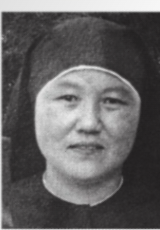
Baptismal name: Agatha · Entered the convent: April 1, 1926 · Duty: convent portress
Arrested: June 25, 1950, in Hamhung · Martyred: October 1950, Hamhung prison
Sister Agneta Chang (張 Agatha, 1910–1950) was born in 1910, the only child of James Chang Sang-bin, catechist of the Maehwa-ri parish in Hwanghae Province. Baptized Agatha, she bore that name in the civil registry as well. Soon after her birth the family moved to Seoul and lived near the Benedictine monastery at Paekdong. When the monastery prepared to move to Tokwon, her father — determined to fulfill his daughter’s dream of becoming a sister — moved the family to Wonsan, taking his sick wife and daughter to a humble house in front of the newly founded convent of the Missionary Benedictine Sisters of Tutzing. He donated all his property to the convent, kept only enough to live on, and gave alms to his neighbors: no beggar was turned from his door, and he hung a tin pail at the gate filled with money and food for any who needed it.
Sister Agneta spent her days at the convent and returned home at night to nurse her mother. After her mother’s death she became, on April 1, 1926, one of the first four entrants of the Wonsan convent. A year later she was to begin her novitiate when a grave impediment came to light: she was legally married. Before she was even born she had been betrothed to the son of her father’s friend; when the young man, sick with tuberculosis, was given no hope of recovery, the families hastened the wedding — for in those days people believed that a bachelor who died unmarried became a wandering ghost. She accepted what her elders had bound. Barely a week after the wedding her husband died; he was the younger brother of Sister Benedicta Paek, who later entered the convent with her. Prioress Mathilde Hirsch (1882–1952), who knew her longing for religious life, urged her to remain in the convent for life as an oblate. Though she had to wear a postulant’s habit, she embraced this calling gladly — grieving all her life, even so, that she could not be a full member of the community. On February 26, 1927, she vowed to live as a perpetual oblate and received the religious name Agneta.
Sister Agneta served at the convent gate and helped with mission work in the Wonsan parish. Whatever her superiors or fellow sisters asked of her, she obeyed and never refused. She evangelized the neighborhood with great zeal and had a particular gift for teaching the catechism and principal prayers to grown men. Whenever a poor family had a sick member, or a call came for the last sacraments, she was the first to go. When sisters fell ill and needed someone to watch through the night, she volunteered gladly. Her heart was always with the poor: she told the prioress what they lacked and labored to find them food and goods, while remaining severe and utterly frugal with herself — her clothes so patched that their original color could no longer be told. When the sisters teased her she answered with a bright face. She loved the common prayer and delighted in learning the Latin chants; she prayed the rosary constantly, and during Eucharistic adoration on First Fridays she kept her fervor even while climbing the stairs each time the gate bell rang.
Sister Agneta shared the community’s fate to the end. After liberation, through the Soviet occupation and the rise of the communist regime, the community lived through precarious years. Finally, on May 10, 1949, the political security police closed the Wonsan convent. The German sisters were arrested and taken to the Pyongyang prison; the Korean sisters were taken to the Wonsan prison and released a week later, ordered to go home — without their habits or religious books. Having no relatives to turn to, Sister Agneta went to the house of a Catholic named Anselm Yu in Hamhung, rented a small room, and earned her keep carrying bricks at a building site. Despite the strict surveillance of the security police she traveled to Pyongyang in the spring of 1950 to visit the sisters’ secret meeting place. She shared the joy of reunion with a few sisters but would not stay even one night for fear of endangering them; she gave them the money she had earned so hardly in Hamhung. After parting from the sisters she sought out a priest in hiding, made her confession, received Communion, and returned to Hamhung.
Soon after her return, the Korean War broke out. That very day she was arrested — charged with believing in God and collaborating with Westerners — and imprisoned in the Hamhung prison. From that day no one knew what became of her. Around October 14, 1950, as the North Korean army fell back before the allied advance, it massacred political prisoners across the country. On October 17, ROK and allied troops entering Hamhung gathered the bodies strewn through the prison and drew others from a well, notifying the families. Sister Agneta’s body was found among them. The faithful who came to identify her found wounds on her forehead and chin, and an axe wound on the back of her head. When Anselm Yu’s mother, who stood there, cried out “Aigo — it is our mother!”, bright red blood flowed from the mouth of the body though no one had touched it. The faithful carried her to the Sacred Heart clinic in Hamhung, once run by the Wonsan sisters; as they set the stretcher down, saying “Sister, stop at your convent one last time,” blood flowed from her mouth again. That fresh blood should flow from a body so many days in the water filled all who saw it with awe. They buried Sister Agneta on a hillside some two hundred meters behind the Hamhung parish church and, so that her grave could be found again, buried beside it an upturned bottle sealed with a paper slip bearing her name.
한국어 원문
세례명: 아가다 · 수녀원 입회: 1926년 4월 1일 · 소임: 원산 수녀원 안내실
체포: 1950년 6월 25일, 함흥 · 순교: 1950년 10월, 함흥 인민교화소
장 아가다 아녜타(張 아가다, Agneta, 1910~1950) 수녀는 1910년 황해도 매화리 본당 장상빈(張相斌) 야고보 회장의 무남독녀로 태어나 아가다라는 이름으로 세례를 받고 세례명을 그대로 호적에 올려서 세속명으로 삼았다. 그녀가 태어나고 얼마 되지 않아 서울로 이사가 성 베네딕도회 백동 수도원 근처에 살았다. 백동 수도원이 덕원으로 옮겨갈 무렵 그녀의 아버지는 수녀가 되려는 외동딸의 꿈을 이루어 주려고 원산으로 이사 갔다. 한국에 막 진출한 툿찡 포교 베네딕도 수녀회 원산 수녀원 앞에 허름한 집을 마련해 병든 아내와 딸을 데리고 갔다. 그는 모든 재산을 수녀원에 기증하고 겨우 먹고살 만큼만 남긴 재산으로 가난하게 살며 이웃에게 자선을 베풀었다. 찾아오는 걸인을 그냥 돌려보내지 않을뿐더러, 문간에 양철통을 걸어 놓고 돈이나 음식을 넣어 두어 걸인들이 마음대로 꺼내 가게 했다.
장 아녜타 수녀는 낮에는 수녀원에서 지내고 밤에는 집으로 돌아와 어머니의 병수발을 들었다. 어머니가 세상을 뜨자 그녀는 1926년 4월 1일, 세 명의 동료들과 함께 원산 수녀원의 첫 입회자가 되었다. 일 년 후 수련기를 시작하려 했으나 중대한 문제가 생겨 포기해야만 했다. 그녀가 법적으로 혼인했다는 사실이 밝혀졌기 때문이다. 그녀는 태어나기도 전에 이미 아버지 친구의 아들과 정혼한 상태였다. 폐결핵을 앓고 있던 정혼자가 가망이 없었기 때문에 주위 사람들의 성화로 서둘러 혼배를 올렸다. 당시 사람들은 총각이 혼인을 못 하고 죽으면 몽달귀신이 된다고 생각했다. 그녀는 어른들끼리 맺은 언약이라 어쩔 수 없다고 생각했다. 혼배를 올린 지 겨우 일주일 만에 남편은 세상을 떠났다. 남편은 후일 그녀와 수녀원에 같이 입회한 백 베네딕다 수녀의 동생이었다. 마틸데 히르슈(Mathilde Hirsch, 1882~1952) 원장 수녀는 수도생활에 대한 그녀의 갈망을 알고 있었기에, 그녀에게 종신토록 수녀원 안에 머물며 헌신자로서 살아갈 것을 권유했다. 청원자복을 입고 살아야 했지만 그녀는 자신의 소명을 기꺼이 받아들였다. 그러나 공동체의 온전한 구성원이 아니라는 사실에 평생 마음 아파했다. 1927년 2월 26일, 그녀는 종신 헌신자로 살 것을 서약한 후 아녜타라는 수도명을 받았다.
그 후 장 아녜타 수녀는 수녀원 문간 소임을 하면서 원산 본당에서 선교 활동도 도왔다. 장상이나 동료 수녀들이 무엇을 지시하고 부탁하건 그녀는 순명했고 거절하는 법이 없었다. 수녀원 인근 주민들에게 열성을 다하여 선교했으며 성인 남자들에게 교리문답과 주요 기도문을 가르치는 데 각별한 재능이 있었다. 형편이 어려운 환자가 생기거나 종부성사 요청이 들어오면 언제나 앞장서 달려갔다. 수녀들이 병이 나서 밤에 돌봐 줄 사람이 필요할 때도 기꺼이 도움을 자청했다. 그녀는 항상 가난한 사람들에게 마음을 썼다. 가난한 이들이 필요한 것이 무엇인지 원장 수녀에게 알렸고, 그들에게 음식과 물건을 구해 주려고 애를 썼다. 하지만 자신에 대해서는 아주 엄격했고 매우 검소하게 살았다. 옷은 하도 기워 입어 원래 색깔을 알아보지 못할 정도였다. 동료 수녀들이 짓궂게 놀려도 싫은 내색도 안하고 오히려 밝은 표정으로 응대했다. 공동기도를 좋아하여 라틴어 노래를 즐겨 배웠다. 묵주기도를 자주 바치며, 매월 첫 금요일 성체현시 중에는 문간 종이 울릴 때마다 계단을 오르내리면서도 성체조배에 열의를 다했다.
장 아녜타 수녀는 끝까지 수도공동체와 운명을 같이했다. 해방이 되고 북한에 소련군정이 실시된 후 공산 정권이 들어서기까지 수도공동체는 아슬아슬한 시기를 보냈다. 마침내 1949년 5월 10일, 정치보위부원들이 원산 수녀원을 폐쇄했다. 독일인 수녀들은 체포되어 평양 인민교화소로 이송되었다. 한국인 수녀들은 원산 인민교화소로 끌려갔다가 한 주 후에 석방되었다. 당국은 한국인 수녀들에게 집으로 가라고 통보했으나 수도복과 종교 서적을 지참하는 것은 허락하지 않았다. 장 아녜타 수녀는 의탁할 친척이 없었으므로, 함흥에 있는 유 안셀모라는 교우의 집으로 갔다. 거기서 작은 방을 하나 얻어 집 짓는 곳에서 벽돌 나르는 일을 하며 생계를 꾸려 갔다. 정치보위부원들의 엄격한 감시와 통제에도 불구하고 1950년 봄, 그녀는 평양으로 가서 수녀들의 임시 비밀 연락처를 잠시 방문했다. 수녀 몇 명과 재회의 기쁨을 나누었으나 폐가 될까 염려하여 하룻밤도 머물지 않았다. 그녀는 함흥에서 어렵게 번 돈을 수녀들의 생활비로 주었다. 수녀들과 헤어진 후 은신해 있는 신부를 찾아가 고해성사를 받고 성체를 모신 후 함흥으로 돌아왔다.
장 아녜타 수녀가 평양에 다녀온 지 얼마 되지 않아 6·25 전쟁이 터졌다. 그날 그녀는 하느님을 믿으며 서양 사람들과 내통한다는 죄목으로 체포되어 함흥 인민교화소에 수감되었다. 그날 이후 그녀의 행방을 아무도 알지 못한다. 6·25 전쟁이 일어나고 연합군의 참전으로 수세에 몰린 북한 인민군은 1950년 10월 14일경 북한 전역에 감금한 정치범들을 학살했다. 10월 17일, 함흥에 진주한 국군과 연합군은 함흥 인민교화소에 널려 있는 시신들을 모으고 우물 속에 있는 시신들도 건져 내어 연고자들에게 연락했다. 장 아녜타 수녀의 시신도 여기서 발견되었다. 신자들이 그녀의 시신을 확인하고 찾아왔다. 그녀의 이마와 턱에 상처가 나 있었고, 머리 뒤쪽에도 도끼에 찍힌 상처가 있었다. 그 자리에 있었던 유 안셀모의 어머니가 “아이고, 우리 어마이다!”하고 외치자, 그 순간 아무도 시신에 손대지 않았는데도 시신의 입에서 선홍색 피가 흘러나왔다. 신자들은 그녀의 시신을 원산 수녀원에서 운영하던 함흥 성심 의원으로 옮겼다. 그들이 “수녀님, 마지막으로 수녀원에 들렀다 가세요.” 하면서 들것에서 시신을 내려놓으니, 다시 시신의 입에서 피가 주르르 흘러나왔다. 여러 날 물속에 잠겨 있었음에도 시신의 입에서 선혈이 흘러나온 것을 본 사람들은 놀라며 신기하게 여겼다. 신자들은 장 아녜타 수녀의 시신을 함흥 본당 뒤편 200미터가량 떨어진 언덕에 안장하고, 나중에 다시 찾을 수 있게 빈 병에다가 수녀의 이름을 쓴 종이쪽지를 넣고 병뚜껑으로 막아서 무덤 옆에 거꾸로 묻었다.
Source: the “Martyrs of Tokwon” series from BUNDO, the quarterly of Waegwan Abbey, reprinted and translated here with permission.
출처: 성 베네딕도회 왜관수도원 계간지 《분도》 ‘시복시성 대상자 약전’ 연재 · 왜관수도원의 허락을 받아 게재·번역합니다.
Leave a Reply